

Stop Heat Loss at the Source with Blown-In Fiberglass Insulation
Save up to 20% on energy costs today!
Or give us a call at (708) 774-1098
Is Your Attic Costing You Money?
Most homeowners think their attic is “fine” because they can’t see it. But if your home was built more than 10 years ago, or if you can see the wooden floor joists in your attic, you are likely losing hundreds of dollars every year in escaped energy.
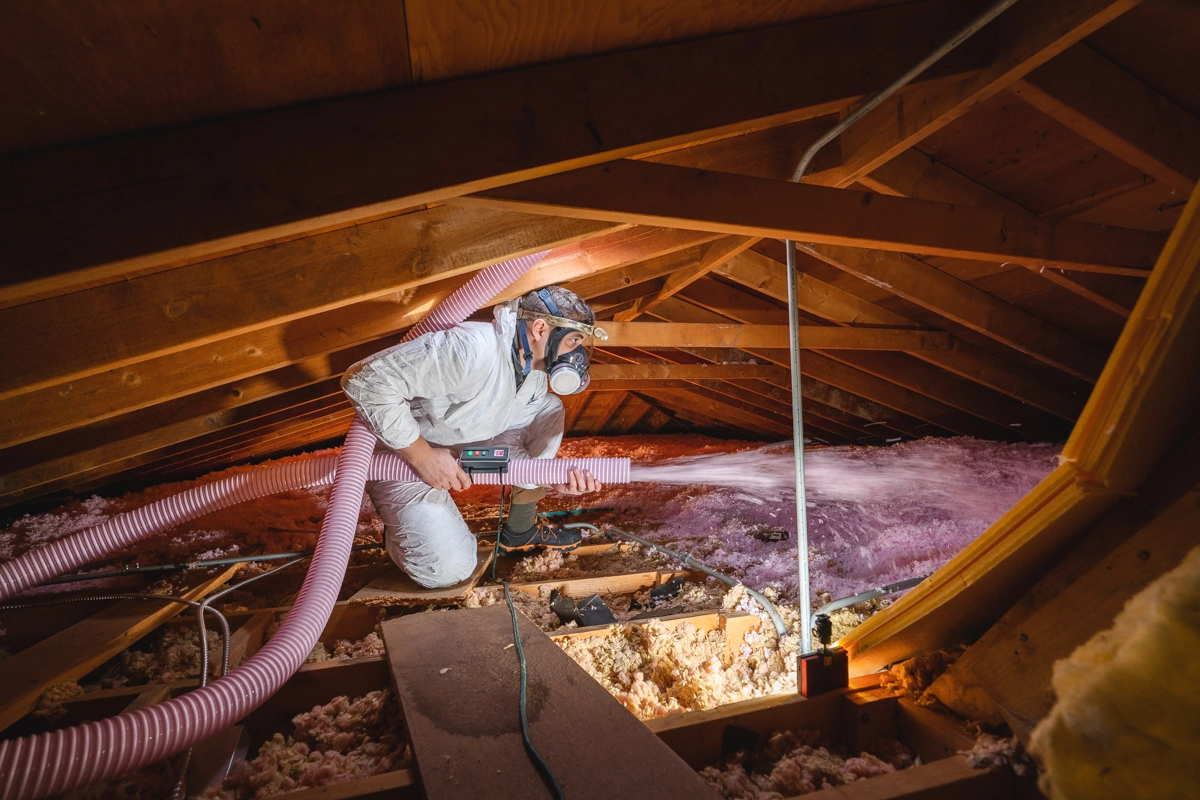
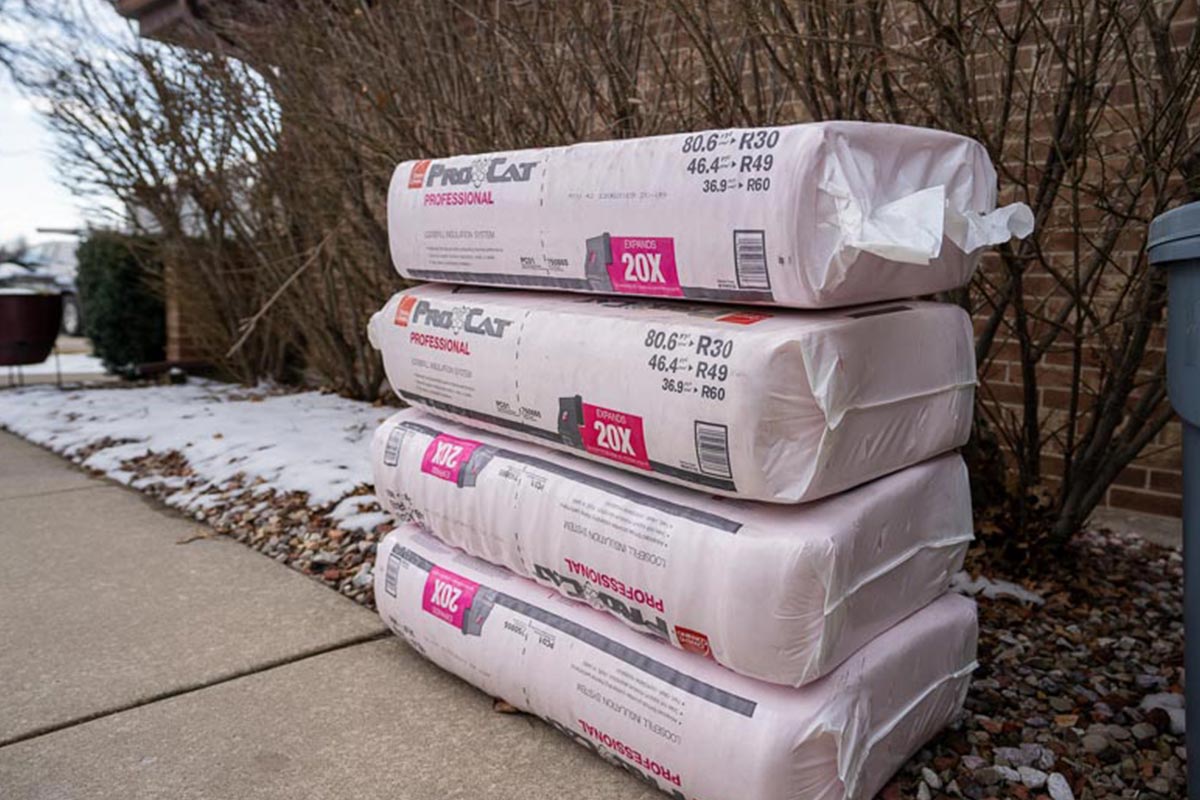
At Lang Home Exteriors, we specialize exclusively in high-performance Blown-In Fiberglass Insulation. We don’t use “one size fits all” rolls that leave gaps; we install a seamless thermal blanket that protects your home for decades.
This sharp rise in energy costs has steepened the cost-benefit curve of improving your home’s energy efficiency, making adding attic insulation one of the best money-saving home improvement projects of 2026.
Is Your Attic Up to 2026 Standards?
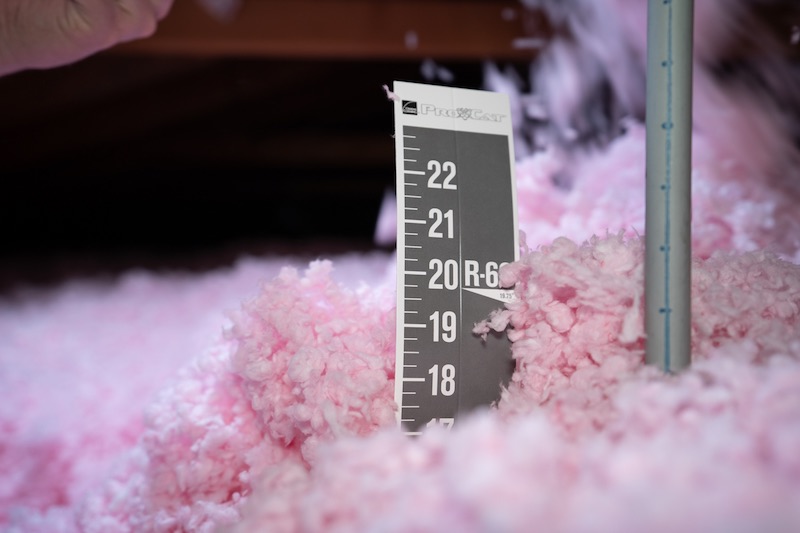
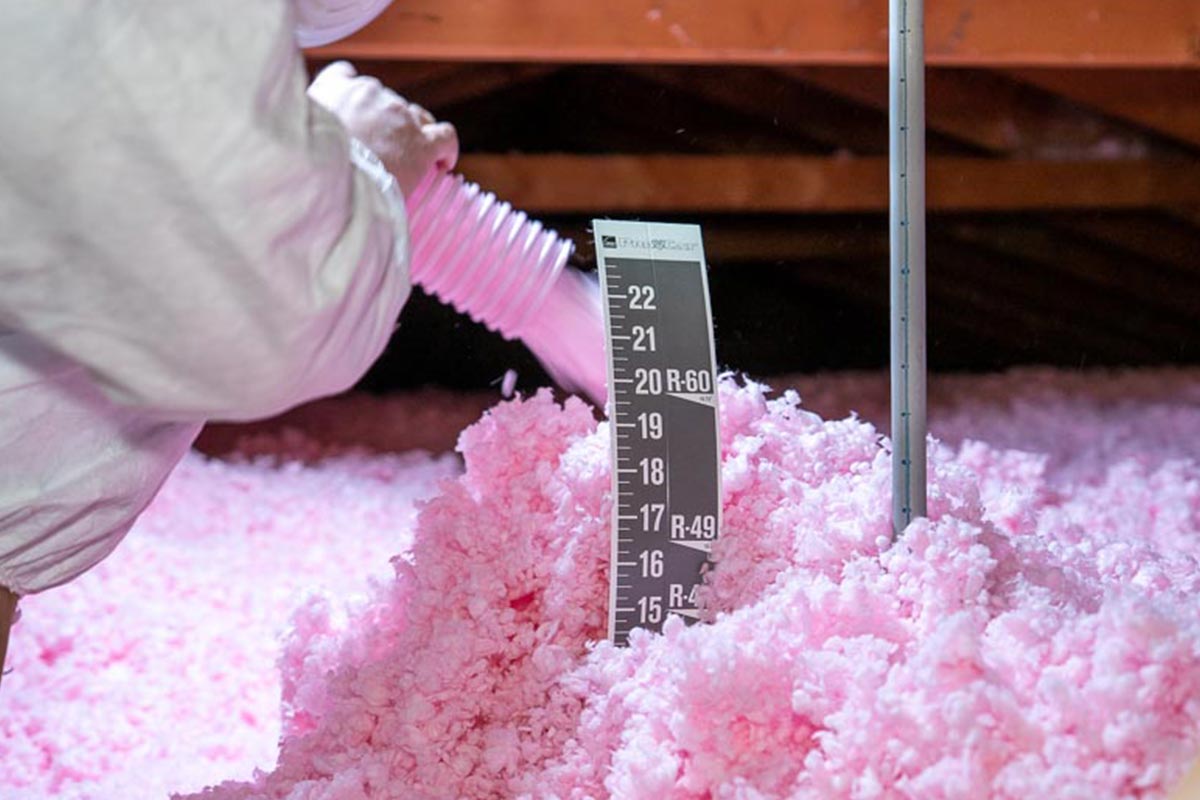
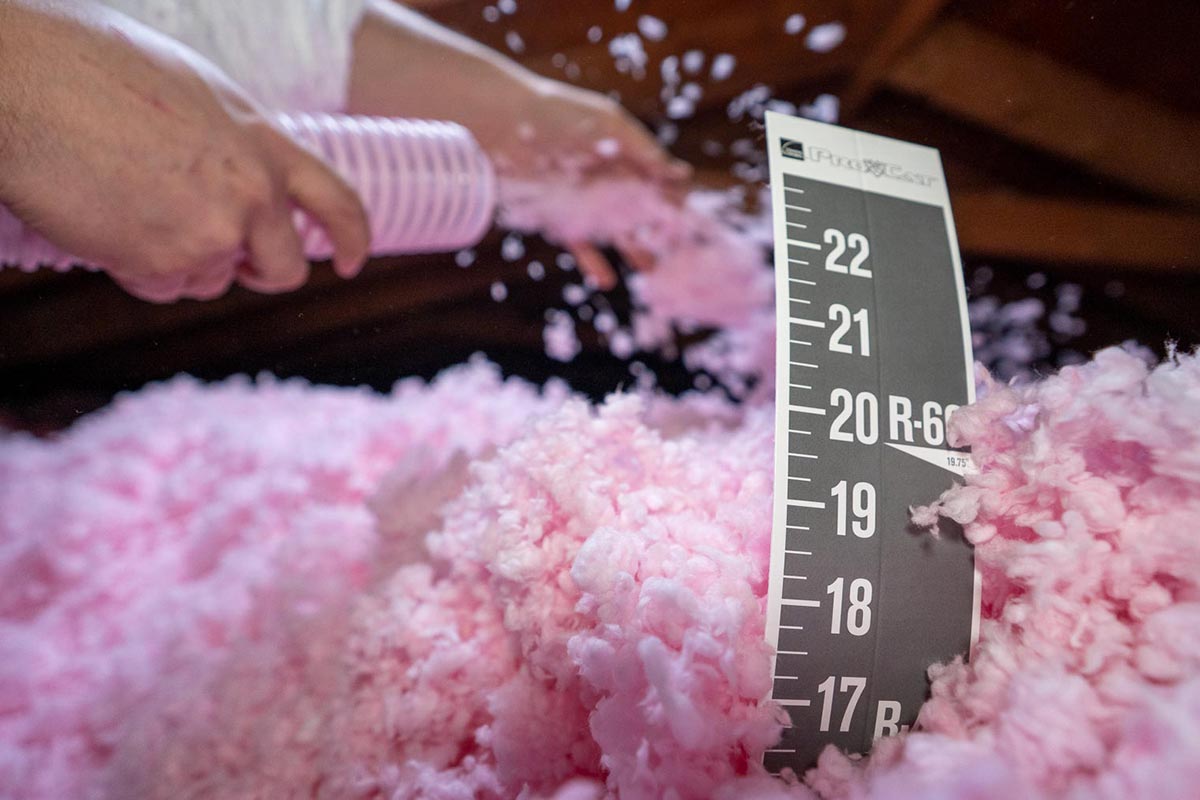
Energy standards have evolved. While older homes often have only 6 to 10 inches of insulation, the Department of Energy now recommends up to R-60 for our climate, which is roughly 16 to 20 inches of fiberglass protection.
Are you protected? You can find the recommended R-value for your attic based on your climate zone to see how your current insulation measures up against modern requirements.
Is Your Money Leaking Through Your Roof?
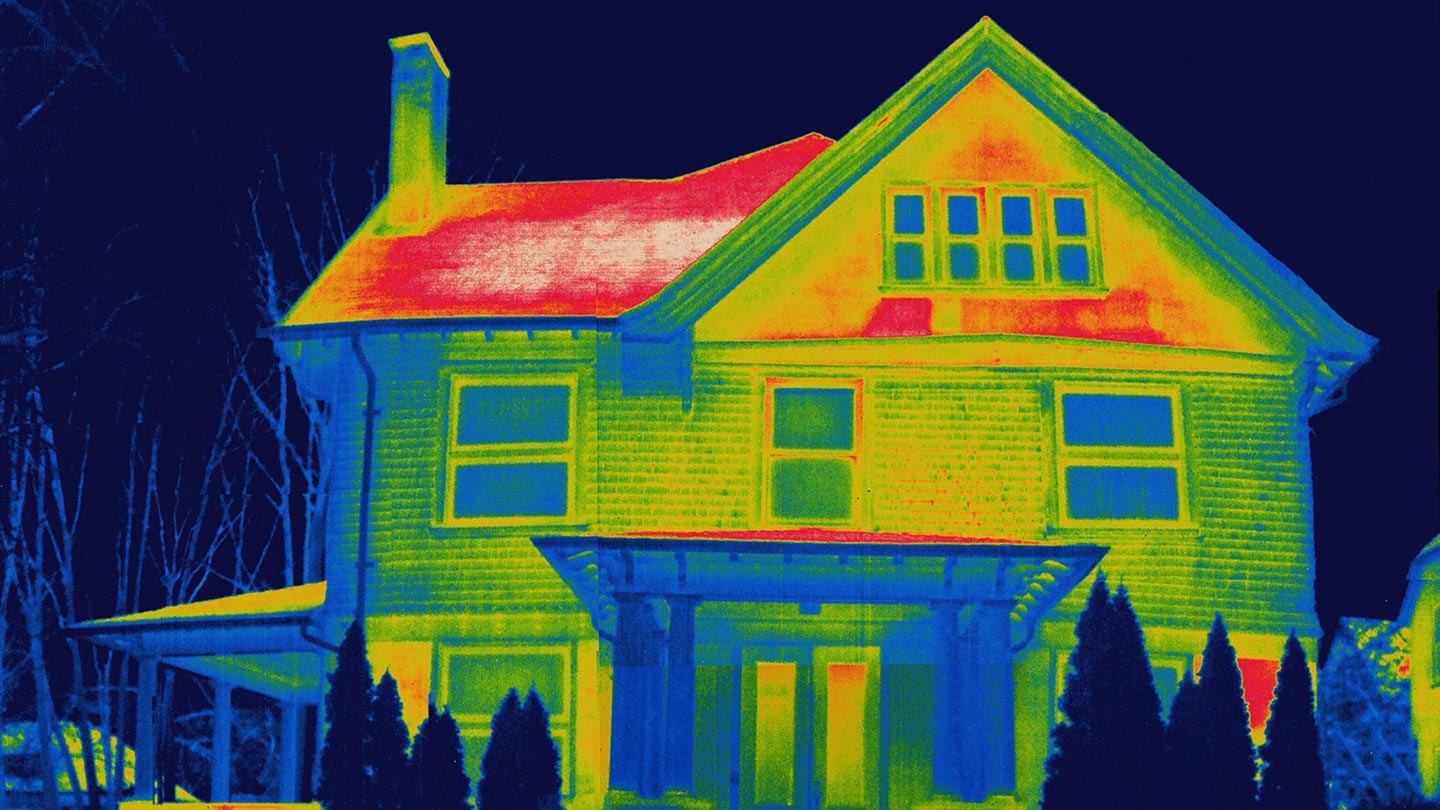
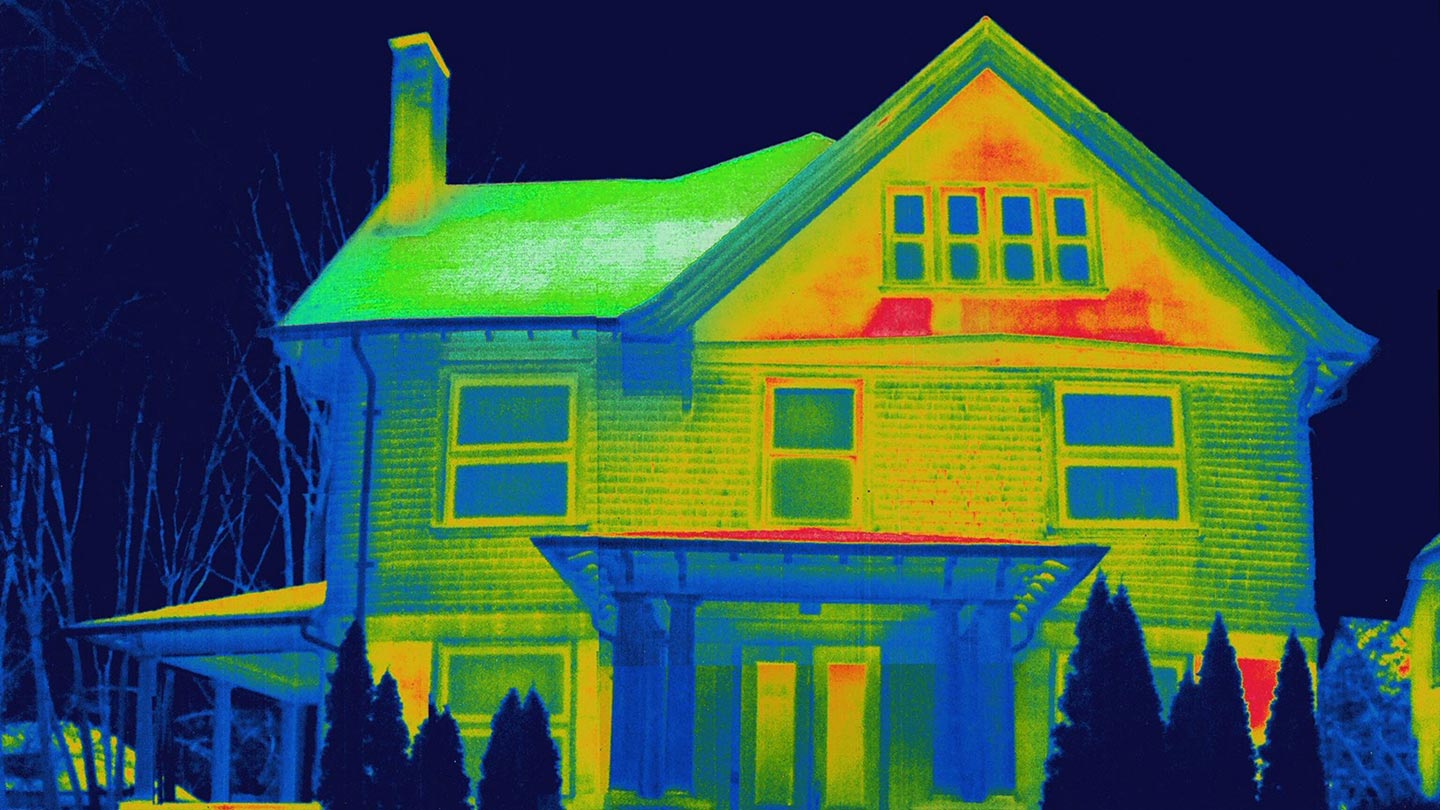
It’s a simple law of science: heat rises. In a poorly insulated home, your attic acts like an open window, allowing up to 25% of your heated air to escape during the winter. This doesn’t just make your upstairs chilly – it forces your furnace to work overtime, driving up your monthly bills.
By installing high-density blown-in fiberglass, you create a permanent thermal cap on your home. This simple upgrade can reduce your total heating and cooling costs by an average of 15-20% year-round.
Up to 25% of your home’s heat is lost through your attic.
An Investment That Pays for Itself
Properly insulating your attic isn’t just a home improvement; it’s one of the only upgrades that offers an immediate return on investment through monthly utility savings.
-
15% Average Savings: Homeowners who upgrade their attic insulation save an average of 15% on heating and cooling costs. See the EPA’s methodology and savings data here.
-
2026 Federal Tax Credits: Under the current 25C tax credit, you may be eligible to claim 30% of the cost of your insulation project (up to $1,200). Check the latest [year] IRS guidelines.
Why We Specialize in Blown-In Fiberglass Insulation
We’ve evaluated every insulation method on the market, and we choose blown-in fiberglass for four critical reasons:
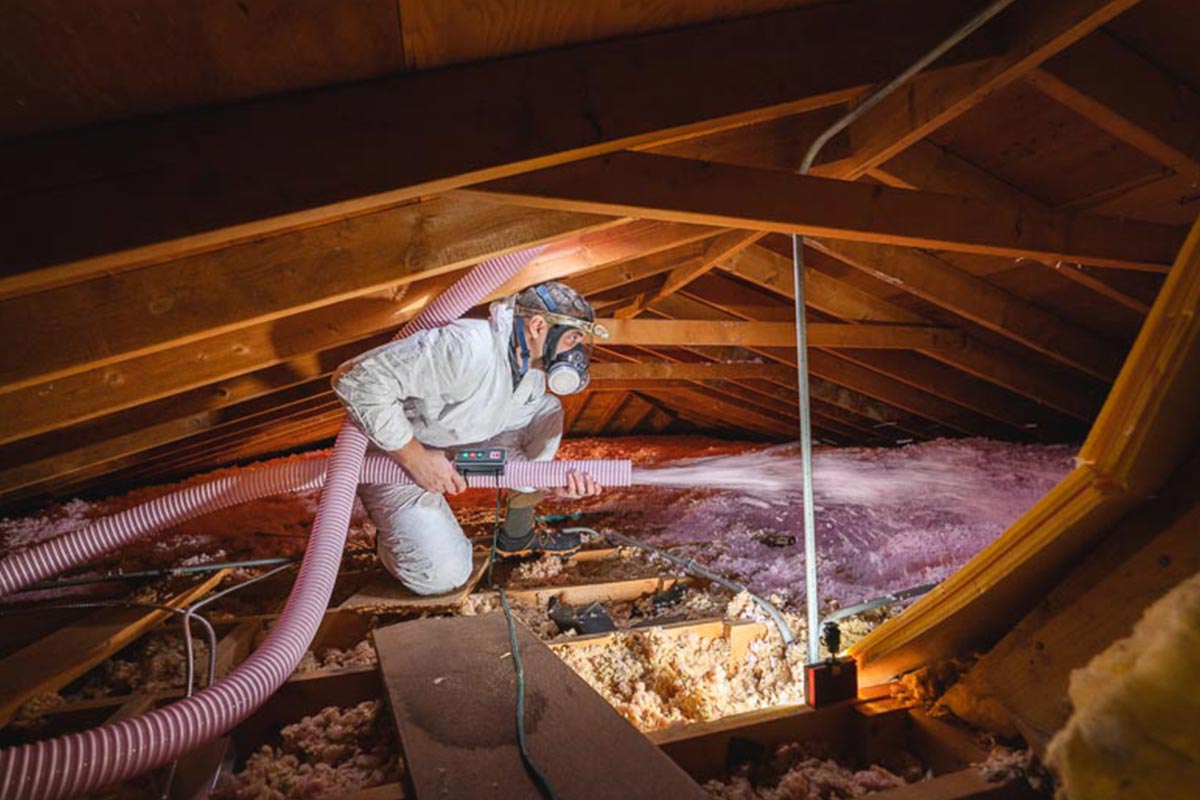
- Total Thermal Coverage: Traditional insulation “batts” (rolls) leave gaps around wires, pipes, and light fixtures. Our specialized machine blows high-density fiberglass into every tiny crevice, creating a seamless seal that eliminates drafts.
- It Won’t Settle: Unlike cellulose or other organic materials that compress and lose effectiveness, our fiberglass is engineered to maintain its “loft” and insulating power for the life of your home.
- Naturally Safe & Durable: We use material that is naturally fire-resistant, moisture-resistant, and non-combustible. It does not rot or provide a food source for mold and pests.
- Validated Performance: You can read the scientific data on the safety and performance of fiberglass to see why it remains the industry’s most trusted material.
The Lang Home Exteriors Process
We respect your home. Our “White Glove” installation ensures the only thing we leave behind is a more comfortable house.
-
Professional Assessment: We measure your current R-value and identify “leak points” where air is escaping.
-
Home Protection: We lay down drop cloths and protect your floors before any equipment enters the home.
-
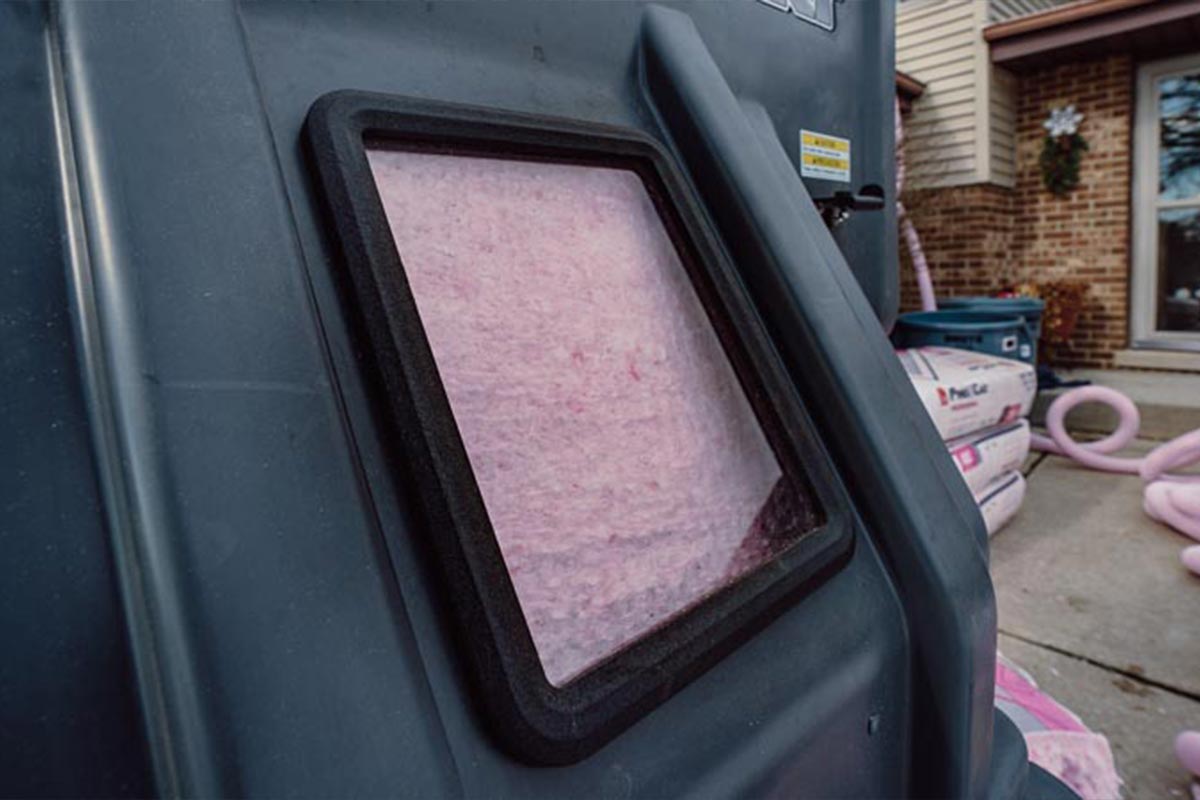
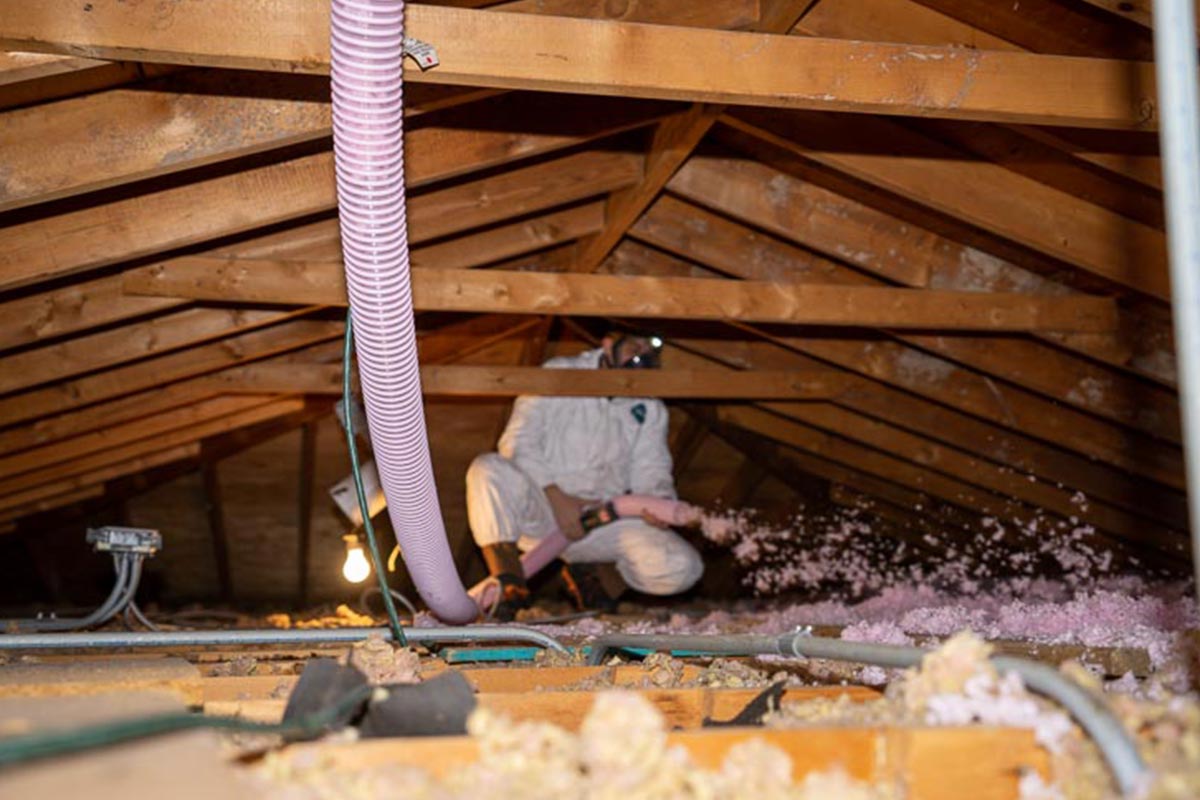
Precision Install: Using a high-volume hose system, we distribute a uniform layer of fiberglass to your target depth.
-
Ventilation Check: We ensure your soffit vents remain clear so your attic can breathe, preventing moisture buildup.
-
Final Cleanup: We vacuum the workspace and leave your home exactly as we found it.
Get a Free Estimate
Action Photos
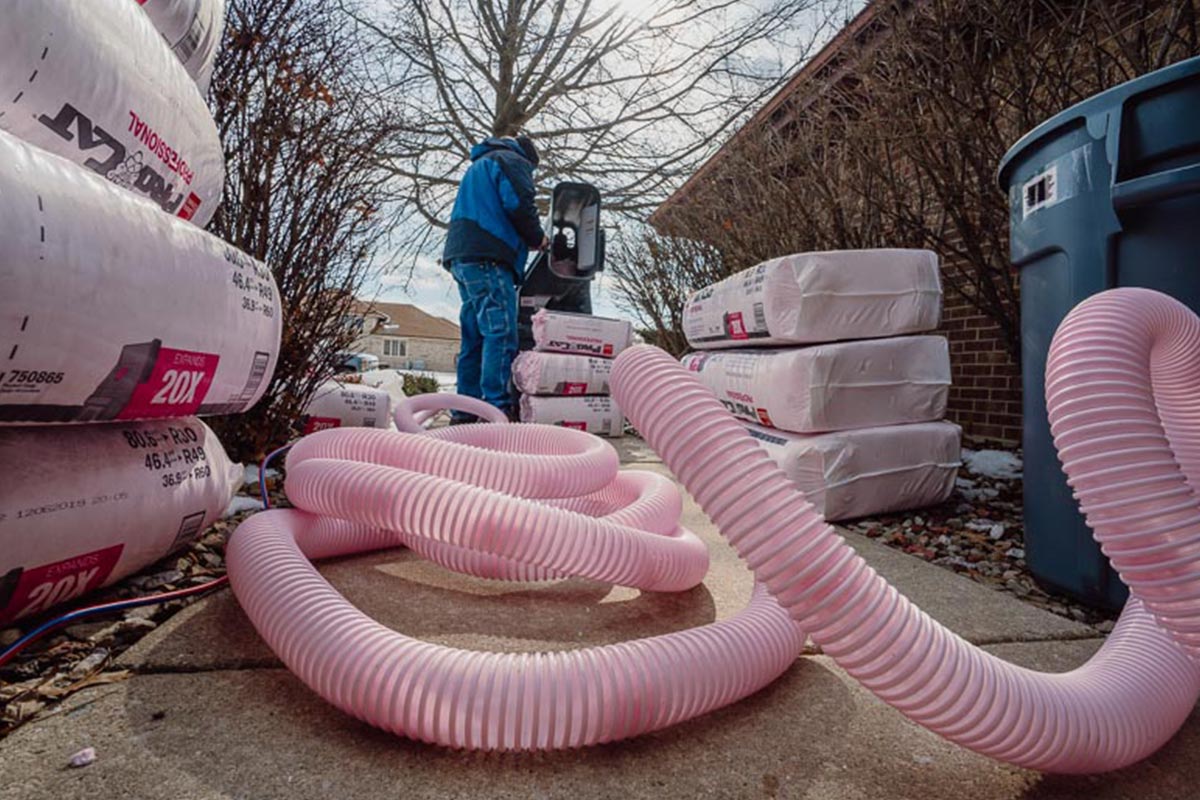
Action Photos