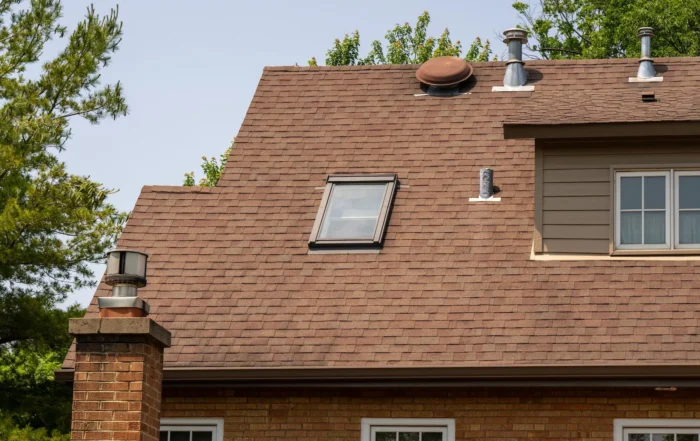


Insulation plays a major role in how well your home handles Chicago’s hot summers and cold winters. In most traditional vented attics, the best practice is to insulate the attic floor so the living space stays comfortable while the roof system can still breathe. In some situations—such as a finished attic, cathedral ceiling, or a room addition—insulating the roof deck may be appropriate when it is professionally designed as part of a complete system.
In this article, we’ll focus on how proper attic insulation improves energy efficiency and helps protect your home from moisture, ice dams, and temperature swings.
What is the Solution?
You can achieve all of the things you were trying to achieve by simply adding or upgrading attic insulation. Attic insulation creates a thermal boundary that protects your home while also allowing everything to breathe. Of course, that doesn’t mean that the process is foolproof. There are still some common attic insulation mistakes homeowners can make. A big one just happens to be sealing the roof deck instead of focusing on insulating the attic floor.
Understanding Types of Insulation for Attics
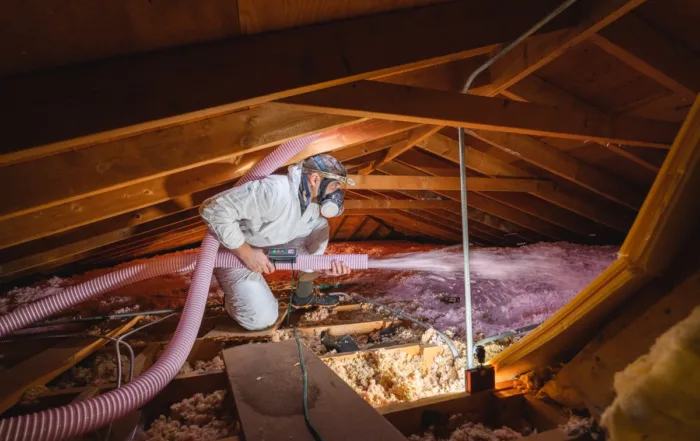
For attics with floors, insulating with R-50 to R-60 blown-in fiberglass insulation is the ideal material to maximize energy efficiency and maintain consistent indoor temperatures. Blown-in fiberglass effectively covers large areas while providing excellent thermal resistance. However, in attic spaces with cathedral ceilings, insulating the rafters is necessary to ensure proper thermal performance and protect the structural integrity of the roof. If you’re planning to add an additional room to your attic, it is perfectly acceptable to insulate above that space to ensure the new area remains comfortable year-round. Whether you’re upgrading an existing attic or designing a new one, choosing an insulation strategy to match your attic’s specific layout will ensure the best results.
For most traditional vented attics, insulating the attic floor—rather than the roof deck—provides the best balance of energy efficiency and ventilation.
Benefits of Proper Attic Insulation
Surprising to most homeowners, the formation of ice dams actually starts inside your home’s attic. As the heat in the house escapes into the attic, warm attic air melts the snow on the roof. Snowmelt runs down into the gutters and ice begins to build up. If this process continues over a period of time, an ice dam forms and gets bigger and bigger. Heavy ice dams can actually cause gutters to break loose from the house.
It is also worth noting that snow melts unevenly. South and west exposures will have the most trouble with ice damming, although north and east exposures are not immune to trouble.
- Improves Energy Efficiency: Proper insulation creates a thermal barrier that stops heat from entering and exiting your home. That means you are preventing heat loss in the winter while keeping heat out in the summer. If the insulation is doing its job, you’ll spend less money trying to regulate indoor temperatures using heat and air conditioning.
- Prevents Roofing Damage: By preventing air seepage from the attic, you’ll protect your roof against ice dams that can damage your roof and clog your gutters. Proper attic insulation helps avert ice dams and moisture issues by stopping warm air from escaping. Ice dams are actually caused by the combination of melting and refreezing of snow.
- Creates a Comfortable Living Environment: Attic insulation creates a barrier between hot and cold objects, and lacking the proper amount may be responsible for those uncomfortable and unpredictable temperatures in your home.
Boosts Home Value: Proper insulation can prevent damage from ice dams and moisture issues that could leave a potential seller with a big repair bill.
Common Mistakes in Attic Insulation
Homes of different ages and sizes may have very unique needs. That’s where using a roofing and insulation company capable of providing information about how products perform, local code requirements, and what works best in your local climate is so important. Here are some of the common attic insulation mistakes homeowners make:
- Insufficient Insulation Thickness or Coverage: Make sure you’re paying attention to the R-value mentioned above when selecting insulation. You also want to make sure you’re selecting an insulation product that will cover all of the contours, nooks, and crannies of your attic space.
- Blocking Soffit Vents: Soffit vents are small openings located on the roof’s underside that allow air to circulate. If you cover them with insulation, you’ll get moisture buildup and ice dams caused by lack of ventilation. The greatest danger is that trapping moisture in the attic may create a humid environment where mold thrives. Mold in attics can be a serious situation that you want to avoid, as it can cause health issues, damage the structure of your home, and rot your insulation. When adding insulation, it’s important to keep soffit vents clear and ensure adequate ventilation. In some cases, additional soffit ventilation may be needed so the roof system can breathe properly.
- Using Low-Quality Materials: Cheap insulation that seems like a great deal today is likely to degrade over time. If you want to avoid doing this project again in a few years, go for the best quality within your budget. Higher-quality products tend to hold their R-value better and provide more consistent long-term performance.
Choosing the Best Insulation for Your Attic
There’s one even bigger piece of the puzzle with attic insulation. Homeowners in different climate zones need to select insulation differently. In cold climates in places like the Midwest, insulation ranging from R-50 to R-60 is recommended. In warmer climates, products as low as R-30 may be okay.
For most homeowners, going with an affordable and effective option like blown-in fiberglass insulation is the standard. In addition to being easy to install, blown-in fiberglass makes it easy to create thorough coverage in all of the crevices and contours of an attic space. The best way to avoid making costly mistakes that can eventually hurt your home is to have your attic evaluated by a trusted contractor like Lang Home Exteriors.
Final Thoughts:
Make sure your attic is sufficiently insulated and ventilated using a modern, high-quality insulation option with an R-value that’s appropriate for its size and location. This is an excellent way to protect the investment of your home.
And remember, keeping your roof and attic safe from moisture damage doesn’t have to be complicated. Simply call Lang Home Exteriors to get a custom recommendation for the best way to insulate your attic while avoiding common mistakes. We offer quality products designed to bring comfort and efficiency to your home. Let us help you be more comfortable in your home while reducing energy bills. Call us today!