

How can you tell whether your home in the Chicago area has indoor moisture because of roof problems or unmanaged indoor humidity? The answer is that it’s tricky. Symptoms for both of these problems can be similar. What’s more, you may be unsure how to check out your roof or spot indoor humidity to get answers.
The right diagnosis matters because you don’t want to put time and energy into fixing the wrong issue. Unmanaged indoor moisture levels can lead to mold growth and structural damage to your home, both of which can be expensive to fix. In the meantime, you could be letting energy costs fly out the window due to unmanaged issues.
At Lang Home Exteriors, we help homeowners in Chicago and throughout Cook County get to the bottom of indoor moisture problems every day. As trusted local roofing and siding experts, we have the tools and expertise to inspect for sources of moisture and deliver clear-cut answers for our clients. Let’s talk about where to start if a moisture problem is rearing its head in your home.
Signs of Indoor Moisture Problems at Your Home
Any wetness or pooling of moisture in any part of your home’s interior spells trouble. You’re taking the right step by investigating the source of the problem. Some homeowners mistakenly assume that moisture is normal inside a home. The truth is that even small amounts of moisture can hide much bigger problems deeper within your home’s structure. Here are the most common clues that there’s uncontrolled moisture in your home:
You’ve seen water stains or unexplained patches of discoloration on your walls or ceilings.
- Paint is peeling or flaking.
- Your drywall appears to be bubbling up.
- You’re noticing a musty or earthy odor somewhere in your home.
- You’re seeing condensation on windows or glass doors.
- Your attic’s insulation is damp.
Your home has visible mold or mildew growth.
While these symptoms are pretty universal signs of moisture, seeing or smelling signs alone isn’t usually enough to tell you where moisture is coming from. This is where knowing how to look for signs of moisture caused by roofing problems versus high indoor humidity becomes important. Let’s move on with a cheat sheet for telling the difference.
How to Tell When Moisture in Your Home Is Caused by a Roofing Problem
As local roofing experts, the team at Lang Home Interiors has seen every way moisture can get into your home through a roof. We’ve spent years fixing or replacing roofs to help our clients keep their homes safe and dry. Here’s a roundup of the most common moisture causes.
Roof Leaks
A standard leaky roof is probably the most common reason why we get calls for moisture in a home. Leaks happen for a number of reasons. This includes damaged or missing shingles, compromised flashing, damage from ice dams, or aging underlayment. It’s not uncommon to first notice moisture issues after a heavy rainstorm or snowfall because weather events can shift shingles or overwhelm aging roofs. Of course, the issue could rest with the person who installed your roof by skipping steps or installing it incorrectly.
Improper Ventilation
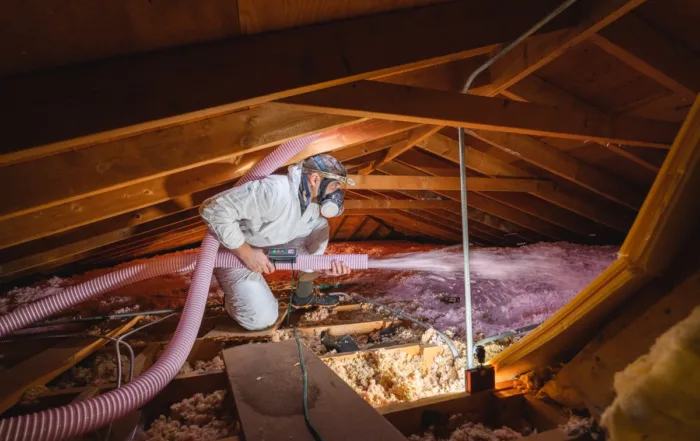
Don’t underestimate the role proper ventilation plays in keeping homes free of moisture problems. Improper attic airflow that’s caused by insulation or venting issues can easily trap moisture. When humid indoor air rises into a poorly ventilated attic, it can condense on cold roof decking and create the perfect conditions for mold growth. Blocked soffit vents and inadequate ridge ventilation are two of the common culprits we see in Chicago-area homes.
Exterior Penetration Vulnerability
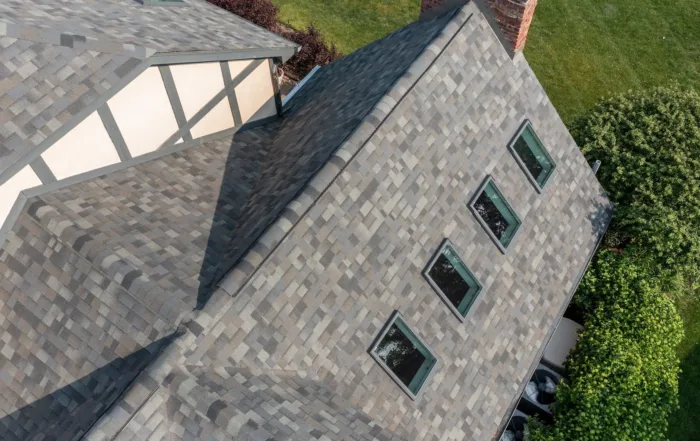
Your home’s design could actually be contributing to your moisture issues. Does your home have skylights? They should be closely looked at to see if they’re allowing moisture to leak in. Even things like your chimney, a roof valley caused by your home’s design, and a compromised pipe boot/pipe flashing without the necessary watertight seal can cause roof leaks. While these features may seem far from your home’s living space, it’s common for exterior issues to cause localized staining after a high-moisture event, such as heavy rainfall or melting snow.
When a Home’s Moisture Problem Is Caused by Indoor Humidity
While your roof is the single largest leak risk in your home, not all moisture issues get into your home through your roof. The humidity inside your home could also be creating a wet environment.
Common Moisture Sources in Your Home
The little things we do each and every day in our homes create moisture that can have long-term consequences if we don’t have a good mitigation system. Moisture can come from steam from showers and baths, cooking in our kitchens, doing laundry, or running humidifiers. In winter especially, humidifiers attached to furnaces are often set too high, creating excess indoor moisture that has nowhere to go. Homeowners often don’t even consider that these things could be contributing to rampant moisture because they seem so “small.”
Bad Ventilation in Your Home
Humidity in your home needs a place to go! That’s why we often see major problems when homes lack functioning bathroom fans. It’s also necessary to have a kitchen exhaust system that vents smoke and heat outside. The modern trend of building energy-efficient homes can also backfire. When homes are sealed too tightly to conserve energy and cut down on bills, this can lead to insufficient airflow, which traps humidity and causes moisture issues.
Seasonal Wetness
Those rainy springs and hot, humid summers that Chicagoans know very well can actually stress our homes. Humidity that’s lingering in the air and on the ground eventually makes its way inside. We aren’t safe in the winter either. We often hear from homeowners during freezing weather who assume, “My roof is leaking.” In extreme cold, however, active roof leaks are unlikely because snow is unable to melt. What’s usually happening is that indoor humidity is set too high. When warm, moisture-heavy air hits cold windows, ceilings, or skylights, condensation forms and can drip, mimicking a leak. But in reality, furnace-attached humidifiers or portable units are simply turned up too high.
Seasonal humidity can be frustrating for homeowners because it’s hard to pinpoint a single source of moisture. You’re instead chasing “moisture ghosts” that feel like widespread condensation and humidity in the air all throughout your home.
Telling the Difference Between Moisture Problems From Roofing or High Humidity
For most homeowners, the only way to confirm the source of mysterious moisture in your home is with an inspection. Ideally, your roof is the first place to start because this is where major moisture damage and mold issues can threaten the safety and structure of your home. Your roof needs to be checked promptly if you’re seeing worsening staining following rainfall, elevated moisture in your attic or ceiling seams, or damp insulation. Your moisture issue is likely to be from what we would call “global” humidity in your home, if you’re seeing fogging windows or wetness that come and go with the seasons.
Diagnosing Your Home’s Moisture Issues Is Important
Unmanaged moisture destroys homes. While it might not happen overnight, your home could be spiraling toward serious rotting issues and mold damage that require costly mitigation. High indoor humidity is a major contributor to attic mold. Moisture-laden air rises from the living space into the attic, where it condenses on cold surfaces. If ventilation is poor, that trapped moisture fuels mold growth. Leaky roofs or plumbing can worsen the issue, but unchecked humidity is often the underlying driver.
Many homeowners who brush off moisture issues in their homes don’t realize the full extent of the problem until their homes can’t pass inspections when they go to sell them. Even low-grade, chronic humidity can degrade a home over time by allowing mold to flourish and create poor indoor air quality that affects your health.
Let Lang Home Exteriors Take a Look at Your Home’s Moisture Problem
A comprehensive roof inspection can help you to discover unseen sources of moisture that are making your home unsafe. At Lang Home Interiors, we provide full exterior system assessments that cover your roofing, flashing, and soffits. We can also evaluate your attic ventilation to provide the fullest picture possible. Our clients always get a clear explanation of our findings and guidance on the next steps to take. Rest assured that we’ll give you the information you need to decide if some small repairs can nip moisture issues in the bud, or if the issue is major enough to require a roof replacement.
Lang Home Exteriors offers inspections and information without pressure. Whether you are in Cook, Will or Dupage Counties, we simply want to help you get answers about whether your home’s moisture issues are actually coming from your roof or another source. Schedule your professional roof and exterior inspection with the Chicago area’s most trusted local roofing company today!