

Blown Away? How We Check Your Roof After a Storm
Heavy winds that whip through the Chicago area do more than leave branches and debris in the roads. Even homes that look fine in a storm’s aftermath can be more compromised than homeowners realize. Minor wind damage can create major roof and structural damage over time if you allow parts of your home’s exterior to remain exposed.
According to the National Weather Service, the Chicago area gets 21 to 24 damaging wind days on average every year. That means your home’s roof is taking a beating from winds above 58 miles per hour (mph) close to two dozen times a year.
Have you had your home checked for wind damage? Come learn about hidden damage points that could be putting your home at risk.
Common Signs of Wind Damage on Your Roof
How do you know if your Chicago area home was damaged by the latest wind storm? You may see obvious signs like pieces of your roof on your lawn. Your roof may also be visibly lifted or shredded. However, we always recommend that you obtain a professional inspection for your safety and to make sure that roof damage is properly assessed. These are the signs we look for to tell us your roof is in trouble following heavy winds:
Missing shingles: High-velocity gusts are notorious for ripping sections of roofing cleanly off. This creates ongoing risks for moisture damage in your roof and framing because your roof’s underlayment and bare nail holes are now exposed.
Lifted or creased shingles: When heavy winds come in at just the right angle, they’re actually powerful enough to lift up shingle edges. The pressure of the wind will bend the shingle strongly enough to break your adhesive seal. That means the shingle will be permanently bent or curled even after the wind subsides. This curling effect creates the perfect invitation for moisture and debris to creep in.
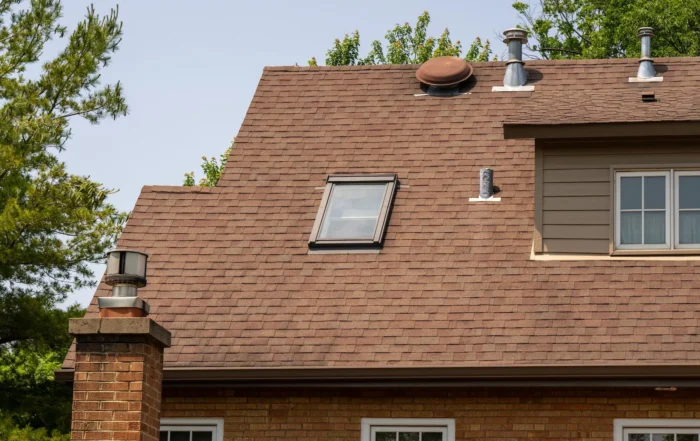
Damaged flashing: Any opening in your roof is especially vulnerable to wind damage. This includes things like metal areas around your chimney, skylight(s), and roof valleys. During high winds, metal borders can become loose or jostled enough to create gaps where moisture seeks in. Special attention must be given to any “cutouts” in your roof during post-storm roof inspections.
Ridge cap displacement: Your roof’s ridge cap is the special material placed along the horizontal peak (ridge) or sloped corners (hips) where the two roof planes meet during installation. Its purpose is blocking rain, snow, and critters from entering through your roof’s seam. Since ridges are at the highest points in the roofline, they’re especially vulnerable to intense winds. In high-wind scenarios, the caps can crack or shift.
Granule loss: That “sandpaper” feeling of your asphalt roof is the result of special granules that provide extra protection against things like rain, hail, debris, and sun damage. Granules also provide important fire protection. If your roof’s granules are worn away, your roof may begin to dry out, crack, or degrade prematurely. Unfortunately, winds that are strong enough can actually rub granules off your shingles. This is generally something that happens gradually over time with regular wind exposure rather than craters from wind and hail during a particular storm.
Wind Speed Impact Guide: How Much Can Wind Actually Damage Your Chicago Area Roof?
As we touched on earlier in this article, winds that reach 58 mph are considered strong winds. However, the Chicago area routinely sees wind speeds above this throughout the year. Greater wind intensity during a wind storm increases your need to call a local roofing professional to look for damage. Here’s a guide to how different wind speeds can affect your roof:
40–50 mph: Winds in this category can loosen weak adhesive seals. This only makes routine roof inspections and maintenance more important. These winds also commonly lift aged shingle edges and blow off loose debris.
55–70 mph: At these speeds, winds are actually powerful enough to rip off heavier roofing components like shingle tabs or shift your roof’s ridge caps. You might also see that siding or soffits are peeled back.
70+ mph: Winds at these speeds can basically tear off your roof if it has any weak points. Homeowners often wake up to large sections of their roofs torn away. The risk here is that your home’s exposed raw wood decking and detached vent pipes create serious long-term moisture risks if exposure isn’t fixed right away.
Safe Inspection Protocol After Heavy Winds in Chicago Area
It’s understandable that your instinct is to run outside to assess the condition of your roof right away. In extreme winds, you may have even seen or heard portions of your roof or roof caps flying off your home. The truth is that there’s very little homeowners can do in the thick of a storm with winds heavy enough to damage a roof. We always recommend you use a local professional roofing company to assess damage when the weather has subsided.
Wait for calm weather: Never assess a roof during or immediately after a severe storm. Confirm that the weather front has fully passed using local weather reports before stepping outside.
Check the ground: The biggest clues about what happened to your roof are often found on the ground. Wear boots when touring your yard in case sharp pieces of debris have fallen into the grass. Things to look for as you walk the perimeter include fallen shingle pieces, caps, and granules.
Inspect from a distance: Never inspect for damage while conditions may still be wet and slippery. If possible, use binoculars or the zoom feature on your phone to scan roof edges, flashing, and gutters for visible lifting or dents.
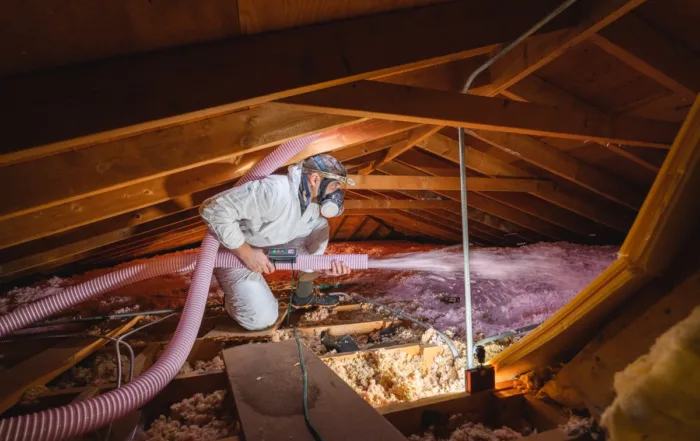
Look inside: Your home’s interior can actually provide some of the best clues about roof damage after a storm. A dry attic is a good sign. If you notice damp insulation or water stains, there’s a good chance that the wind lifted a part of your roof to allow for water to creep in. Don’t forget that even indoor humidity issues that emerge over time in your home can be caused by an undiagnosed roof problem.
Always play it safe with your roof after a storm rolls through your neighborhood. Homeowners should always avoid climbing in attics or on roofs to look for damage. They may also feel uncertain about the next step to take if they do see obvious storm damage. That’s when they call Lang Home Exteriors.
We’re Southwest Chicago’s most trusted roofing and siding company. If your roof has been severely damaged, our 10-year workmanship warranty on full roof replacements and five-year workmanship warranty on siding, soffit, fascia, and gutter projects can leave you with peace of mind. Discover why we’re the first company that countless homeowners in Orland Park, Palos Park, Lemont, New Lenox, Lockport, Western Springs, and beyond, call for roofing services. Contact us today for help with your roof.